The distorted economics of mass media

Money & Macro · 2026-02-02 · 17 min
https://www.youtube.com/watch?v=KgZzr8Y05BUVideo summary
Sequels dominate 2025’s top 20, but cheaper production and global markets have created a thriving creative long tail.
In 2025, sequels and remakes dominated popular culture: nearly 90% of the top 20 films were franchise entries, while blockbuster games also leaned on familiar brands. Yet economist Joel Waldfogel’s research suggests the internet’s promised long tail did emerge: cheaper production and online distribution expanded music, film, TV, books, and games without lowering quality, and independent works gained audiences and revenue. The apparent contradiction comes from globalization and superstar economics. Major films now earn most theatrical revenue outside the US and Canada, rewarding spectacle, recognizable stars, and familiar franchises—and pushing investors toward costly, safer bets. The result is a split market: a handful of optimized blockbusters command attention, while a vibrant world of acclaimed indie work flourishes beyond the top charts. The video points viewers toward independent games and films as evidence that creativity has not disappeared.
Chapters
- 0:00Introduction: Sequels reach nearly 90% of top movies as the long-tail puzzle emerges
- 2:25Media in the 1980s: Record-label gatekeeping nearly blocked Harry Potter and the Beatles
- 4:21Digital revolution: New songs grew to 350,000 a year as indie films and games gained ground
- 9:25Globalization: Overseas box office and superstar economics favor costly franchise films
- 13:55Conclusion: Independent games and films show creativity thrives beyond the top 20
What the full analysis includes
5 chapters · 27 key points · 5 section summaries · mind map
Preview of the first chapter · Introduction: Sequels reach nearly 90% of top movies as the long-tail puzzle emerges
The remaining 24 key points, section summaries and mind map are in the full analysis. Analyze this video to see everything →
This is a Tier 1 public summary
Whether the chapter key points, section summaries and mind map are public is up to the person who shared it. Want the full analysis?Submit one yourself.
More from this channel
 Why China's mineral monopoly can still be brokenMoney & MacroChina controls about 77% of rare-earth refining; the video proposes five steps to rebuild allied supply chains.
 Why the new world order will be worse than you thinkMoney & MacroTrump’s Greenland and Venezuela moves may reflect billionaire court politics as much as U.S. strategy, amid the order’s collapse.
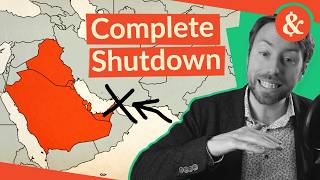 The Gulf economies are in BIG troubleMoney & MacroA Hormuz blockade could paralyze 62% of Qatar’s economy, yet Gulf wealth funds may sustain most states for years.
 If the strait opens, what happens to the economy?Money & MacroA two-week US-Iran ceasefire reopened Hormuz, easing oil prices while leaving food, currency and peace risks unresolved.
 Who will pay for 100 million boomer pensions?Money & MacroAging threatens pensions worldwide: Chile’s early withdrawals crashed stocks and fueled inflation, while funded systems may not escape the demographic squeeze.
