Who will pay for 100 million boomer pensions?

Money & Macro · 2026-04-21 · 18 min
https://www.youtube.com/watch?v=uqSwRHc-1MQVideo summary
Aging threatens pensions worldwide: Chile’s early withdrawals crashed stocks and fueled inflation, while funded systems may not escape the demographic squeeze.
Rich countries are moving from about five workers per pensioner to fewer than two within 30 years, putting pay-as-you-go systems under pressure. France’s retirement-age increase from 62 to 64 sparked protests, while governments face three unpopular choices: raise retirement ages, cut benefits, or increase taxes. Denmark and the Netherlands rely more on funded pensions, investing workers’ savings in financial markets, but the video questions whether this model can withstand mass retirements. The asset-meltdown hypothesis predicts retirees selling assets faster than younger workers can buy them, potentially lowering asset prices and raising inflation. Older countries may soften the risk by investing abroad in younger economies, but the outcome remains uncertain. Chile offered a warning during COVID-19: allowing early pension withdrawals coincided with a stock-market crash and an inflation spike, after which the government shifted the system toward pay-as-you-go financing.
Chapters
- 0:00Introduction: OECD projects fewer than two workers per pensioner
- 2:33Why the current system can’t hold: Italy’s retirement age may reach 70
- 7:42The hidden promise: Danish and Dutch funds invest pension savings in markets
- 10:13What happens when it breaks: Boomer retirements may reverse asset flows and reshape the economy
- 13:55A strange thought: Danish and Dutch funds may benefit from investing in the US
- 15:07Conclusion: Chile’s COVID pension withdrawals brought a market crash and inflation spike
What the full analysis includes
6 chapters · 29 key points · 6 section summaries · mind map
Preview of the first chapter · Introduction: OECD projects fewer than two workers per pensioner
The remaining 26 key points, section summaries and mind map are in the full analysis. Analyze this video to see everything →
This is a Tier 1 public summary
Whether the chapter key points, section summaries and mind map are public is up to the person who shared it. Want the full analysis?Submit one yourself.
More from this channel
 Why China's mineral monopoly can still be brokenMoney & MacroChina controls about 77% of rare-earth refining; the video proposes five steps to rebuild allied supply chains.
 The distorted economics of mass mediaMoney & MacroSequels dominate 2025’s top 20, but cheaper production and global markets have created a thriving creative long tail.
 Why the new world order will be worse than you thinkMoney & MacroTrump’s Greenland and Venezuela moves may reflect billionaire court politics as much as U.S. strategy, amid the order’s collapse.
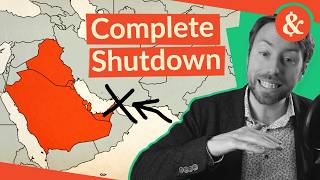 The Gulf economies are in BIG troubleMoney & MacroA Hormuz blockade could paralyze 62% of Qatar’s economy, yet Gulf wealth funds may sustain most states for years.
 If the strait opens, what happens to the economy?Money & MacroA two-week US-Iran ceasefire reopened Hormuz, easing oil prices while leaving food, currency and peace risks unresolved.
Related analyses
 How long can the US keep borrowing so much?Money & MacroU.S. debt service now exceeds military spending, while projected rates risk pushing the budget toward a debt spiral.
 Why middle class life feels less and less affordableMoney & MacroMedian wages rose 20–30% since 2000, but housing costs and borrowing rates help explain why middle-class life feels unaffordable.
 AI Companies Are Setting Money on Fire | OpenAI's Pre-Bailout Bailout PlanGamers NexusOpenAI lost $38.5 billion in 2025 while pursuing a $280 billion revenue target and reportedly offering the U.S. government a 5% stake.
 Michael Kratsios: Inside the White House's AI StrategyY CombinatorMichael Kratsios backs open-source AI and one national rulebook, while urging fast grants and autonomous labs to accelerate US science.
 JD Vance on AI, Entitlement Fraud, Iran War, Israel, H-1B Abuse & the MidtermsAll-In PodcastJD Vance touts $250 billion in fraud savings, defends Iran policy, and calls for another two years in office.