The PetroDollar is a myth. The Iran war confirmed it.

Money & Macro · 2026-05-01 · 18 分鐘
https://www.youtube.com/watch?v=wXbuiTrnqXY影片總結
The 1974 US-Saudi deal prioritized stable oil prices, not dollar-only sales; Gulf petrodollars remain too small to underpin dollar dominance.
The video challenges the claim that Iran asking Hormuz tankers to pay in yuan threatens the dollar-based order. Declassified documents from the 1974 US-Saudi agreement show cooperation aimed at Saudi development, US security ties, and stable oil prices—not exclusive dollar pricing. Petrodollar recycling was real, but the dollar already dominated global reserves, while Gulf states held only a small share of US Treasuries. Today, oil accounts for just 5–7% of US GDP, down from 13–15% during the 1979 crisis, and the US has been a net oil exporter since 2020. Gulf investors own an estimated 1% of US equities, while foreign-exchange trading reaches $9.6 trillion a day against a $3 trillion annual oil market. The conclusion: dollar dominance rests on broader financial forces, not oil invoicing.
章節
- 0:00The Biggest Geopolitical Myth: Iran’s Proposed Yuan Payments and the 1974 Petrodollar Story
- 3:05The 1974 US-Saudi Deal: Petrodollar Recycling and Oil-Price Stability, Not Dollar Exclusivity
- 7:08Eurodollars vs. Petrodollars: Dollar Reserves Dominated Before Gulf Treasury Holdings
- 11:02The Petrodollar Myth Is Weaker Today: Oil at 5–7% of US GDP and Net Exports Since 2020
- 13:59Does the US Depend on Gulf Petrodollars? Gulf Funds Hold About 1% of US Stocks
- 16:28What Really Drives Dollar Dominance: Financial Markets, Not Petrodollar Rules
這是 Tier 1 公開摘要
每章重點、段落總結、心智圖由分享者控制是否公開。想看完整分析?自己提交一支。
同頻道的其他分析
 Economist reacts to podcast guests bashing economic scienceMoney & MacroJoeri argues economics is real social science, while debating Gary’s forecasts, Michael Saylor’s model critique, and Steve Keen’s education warning.
 Why Gen-Z cannot find a job anymoreMoney & MacroAI is squeezing entry-level hiring, while Trump’s tariffs and the end of COVID stimulus deepen the jobs slowdown.
 Why China's mineral monopoly can still be brokenMoney & MacroChina controls about 95% of rare-earth refining and magnet production, prompting a five-step plan for Western supply-chain independence.
 How scientists radically reduced US gun violence (no gun ban)Money & MacroPhiladelphia lot cleanups cut gun violence nearly 30%, while Chicago’s Becoming a Man program reduced violent arrests 45–50%.
 The 5 megatrends that will dominate 2026Money & MacroJuri forecasts China’s industrial rise, debt constraints, an AI bubble surviving 2026, and a 25% chance of a Taiwan blockade.
相關主題的分析
 If the strait opens, what happens to the economy?Money & MacroA two-week US-Iran ceasefire reopened the Strait of Hormuz, but energy prices remain high and Israel could derail peace talks.
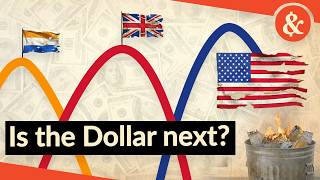 Is the Dollar finally on the way out?Money & MacroThe Dutch guilder and British pound lost reserve status, but the dollar could recover if Trump restores foreign confidence.
 JD Vance on AI, Entitlement Fraud, Iran War, Israel, H-1B Abuse & the MidtermsAll-In PodcastJD Vance touts $250 billion in fraud savings, defends the Iran war, and urges voters to back Republicans in the midterms.
 【年度总结】一口气了解过去一年的全球经济|关税战新格局小Lin说特朗普關稅重塑貿易,印度成長 6.6% 領跑;美國押注 AI,日本通膨與中國內需成 2026 年變數。
 To Regulate AI Effectively, Focus on How It’s Useda16z Deep DivesMartin Casado argues AI laws should target harmful uses, while regulatory uncertainty pushes US startups toward Chinese open-source models.